
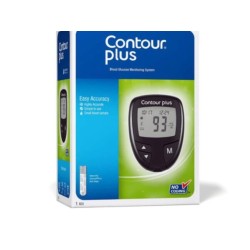
Contour Plus Meter Glucometer — available at DiabetesStore.com.bd
Bangladesh winters are mild by global standards, but that gentle drop in temperature — from the warmth of autumn into the cool, dry air of December and January — is enough to shift your body's routines in surprising ways. For people managing diabetes, those shifts can show up not just in energy levels or blood sugar readings, but also in how your digestive system feels each day.
If you have noticed slower digestion, more bloating, or a heavier feeling after meals during the colder months, you are not imagining it. This article walks you through why it happens, what you can do about it, and how small, consistent daily choices can help your gut stay comfortable right through the winter season.
Why Winter Affects Digestion Differently for People with Diabetes
Slower Movement, Heavier Meals
When temperatures fall, most of us naturally slow down. We move less, spend more time indoors, and gravitate toward warm, heavier foods — rich dals, fried snacks by the heater, and extra helpings of rice. While these foods are comforting, they can be harder on the digestive system, especially when physical activity is reduced at the same time. The gut relies on movement and routine just like the rest of your body.
The Gut-Blood Sugar Connection
There is a well-recognised relationship between blood sugar levels and how the digestive system functions. High blood sugar over time can affect the nerves that help the stomach and intestines move food along efficiently. This means that, for some people with diabetes, the digestive system may already be working a little harder than usual — and winter habits can add to that load. Understanding this connection is the first step toward working with your body rather than against it.
Common Winter Digestive Challenges
Bloating and Gas
Bloating is one of the most common complaints during winter. Eating larger, warmer meals quickly — especially when seated for long periods — can cause gas to build up. Foods that are very rich, very spicy, or high in refined carbohydrates (like white bread, white rice in large portions, or mithai sweets) can also contribute. The result is that uncomfortable, tight feeling that many people describe after a big winter meal.
Constipation in the Cold Season
Constipation becomes more likely in winter for a few connected reasons: we drink less water (because we do not feel as thirsty when it is cool), we move less, and we may eat fewer fresh fruits and vegetables. For people with diabetes, staying regular is especially important because constipation can cause discomfort, affect appetite, and even create fluctuations in how the body absorbs nutrients from meals.
Gastroparesis-Like Slowness
Some people with long-standing diabetes notice that their stomach empties more slowly than expected — a condition known as gastroparesis. In winter, reduced physical activity and heavier food choices can make this feeling more noticeable. Symptoms include a sense of fullness long after eating, mild nausea, or unpredictable blood sugar readings after meals. If these symptoms are new or worsening, it is always worth mentioning them to your doctor.
Simple Daily Habits to Support Your Gut This Winter
Start the Morning Gently
Begin each winter morning with a glass of warm water. This simple habit helps wake up the digestive system, encourages bowel regularity, and contributes to your daily hydration without any effort. Some people add a small slice of lemon or a few tulsi leaves to their warm water — a gentle, traditional practice that many find settling on the stomach. Try to eat breakfast within an hour of waking to keep your body's digestive rhythm consistent.
Choose Warm, Fibre-Rich Bangladeshi Foods
The good news is that Bangladeshi winter produce is naturally well-suited to gut health. Seasonal vegetables like shim (hyacinth beans), phulkopi (cauliflower), gajar (carrot), lal shak (red amaranth), and palang shak (spinach) are all high in dietary fibre. Fibre feeds the beneficial bacteria in your gut, helps keep bowel movements regular, and supports steadier blood sugar levels after meals.
Try building each main meal around a generous portion of cooked vegetables, a moderate serving of dal (lentils are an excellent source of soluble fibre), and a smaller portion of whole-grain rice or roti. Avoid skipping meals, which can disrupt digestion and cause blood sugar to swing unevenly.
Stay Hydrated Even When You Don't Feel Thirsty
One of winter's quietest health risks is mild dehydration. The cool air makes us feel less thirsty, but the body still needs adequate fluid to move food through the digestive tract, support kidney function, and keep blood flowing well. Aim for at least 6 to 8 cups of fluid per day — warm water, herbal teas, thin soups, or warm lemon water all count. Avoid sugary drinks, which add unnecessary carbohydrates and can push blood sugar higher.
People with diabetes are especially encouraged to watch their hydration closely, since even mild dehydration can make blood sugar readings less predictable. Keeping a blood glucose monitor handy makes it easier to notice these patterns.
Keep Moving Indoors
Physical activity is one of the most effective and natural ways to support healthy digestion. Even a short 15-to-20-minute walk after meals — inside the home or in a courtyard if the morning air is cool — can significantly help the gut move food along. You do not need a gym or special equipment. Gentle stretching, yoga postures, or even household chores like climbing stairs count as useful movement for digestion.
Regular activity also supports healthier blood sugar levels, which in turn supports better digestive nerve function — so the benefits work in a cycle that rewards consistency.
Monitoring: Why Your Readings May Shift
Winter is a season when blood sugar patterns sometimes change — and the digestive system is one reason why. When digestion slows, glucose from a meal may enter the bloodstream at a different rate than usual, leading to readings that seem unexpected. Heavier winter meals, fewer steps per day, and changes in eating times (like larger evening meals at family gatherings) can all create small but meaningful shifts.
This is why regular home blood glucose monitoring is particularly valuable during the winter months. Checking your readings at consistent times — before and after meals — helps you and your care team see your patterns clearly and adjust your plan if needed. Use a reliable glucometer and keep your glucose test strips within their expiry date and stored properly away from humidity and direct sunlight.
Smart Snacking Choices for Gut and Blood Sugar Together
Winter snacking is a real challenge. The season brings pitha (rice cakes), fried snacks, and sweet treats — all of which are delicious but can challenge both digestion and blood sugar management when eaten in large amounts.
Here are some smarter snack ideas that work well for gut health and blood sugar stability:
- A small handful of mixed nuts — almonds, walnuts, or peanuts provide healthy fats and fibre without spiking blood sugar quickly.
- Roasted chana (chickpeas) — a traditional snack that is high in protein and fibre and very satisfying in small portions.
- A warm bowl of thin vegetable soup — filling, hydrating, and easy on the stomach.
- Plain yoghurt (doi) without added sugar — contains beneficial probiotics that support a healthy gut microbiome.
- A small piece of seasonal fruit like guava (peyara) or orange (kamla lebu), eaten with the skin (where fibre-rich) or whole rather than juiced.
Spacing snacks evenly between main meals — rather than eating continuously — gives your digestive system time to rest and work properly between each episode of food intake.
When to Talk to Your Doctor or Pharmacist
Most winter digestive discomfort is mild and responds well to the lifestyle steps described above. However, there are situations where it is important to reach out to a healthcare professional:
- Persistent nausea, vomiting, or inability to keep food down
- Significant unexplained changes in blood sugar that do not resolve with normal adjustments
- Severe or prolonged constipation (more than three or four days without a bowel movement)
- Abdominal pain that is new, sharp, or worsening
- Noticeable unintended weight loss over a short period
Your pharmacist is also a valuable, accessible resource. They can help you choose appropriate digestive health support products, check that any over-the-counter remedies are suitable for use alongside your existing diabetes medications, and guide you on when to seek further medical review. Do not hesitate to ask — pharmacists in Bangladesh are trained to help with exactly these everyday care questions.
Explore our range of diabetes care essentials to find products that support your overall well-being through the winter season and beyond.
Frequently Asked Questions
Can blood sugar levels affect digestion?
Yes, there is a recognised connection between blood sugar and digestive function. Over time, fluctuating or elevated blood sugar can affect the nerves that coordinate digestion, which may lead to slower stomach emptying or irregular bowel habits. Keeping blood sugar within your personal target range — as guided by your doctor — is one of the best ways to support digestive comfort.
Is yoghurt (doi) good for gut health when you have diabetes?
Plain, unsweetened yoghurt contains live cultures (probiotics) that support a healthy gut microbiome. It is generally considered a good choice for people with diabetes because it is relatively low in carbohydrates compared to sweetened dairy products and provides protein and calcium. Choose plain doi without added sugar, and enjoy it in moderate portions as part of a balanced meal or snack.
Why do I feel more bloated in winter than in summer?
Several winter-specific factors contribute to bloating: we tend to eat larger, richer meals; we move less; we drink less water; and digestion naturally slows slightly in cooler temperatures. All of these factors together mean gas can build up more easily. Simple habits like eating slowly, staying hydrated, walking after meals, and choosing fibre-rich foods can make a noticeable difference.
How many times a day should I check my blood sugar during winter?
The right monitoring frequency depends on your individual diabetes management plan and what your doctor has recommended. In general, checking before meals and two hours after meals gives a useful picture of how winter eating habits are affecting your levels. If your readings seem more unpredictable than usual, discuss this with your doctor or diabetes care team.
Are there any foods I should definitely avoid for gut health in winter?
It is less about strict avoidance and more about portion size and frequency. Foods that commonly worsen bloating or slow digestion include very large portions of fried or fatty foods, refined sugary sweets, carbonated drinks, and very spicy dishes. Enjoying these occasionally and in small amounts — while balancing with fibre-rich foods and adequate water — is a more sustainable and realistic approach than cutting them out entirely.
Disclaimer: This article is for general information purposes only and does not constitute medical advice. Individual health needs vary. Always consult your doctor, diabetes care team, or pharmacist before making changes to your diet, lifestyle, or medication routine.
]]>